
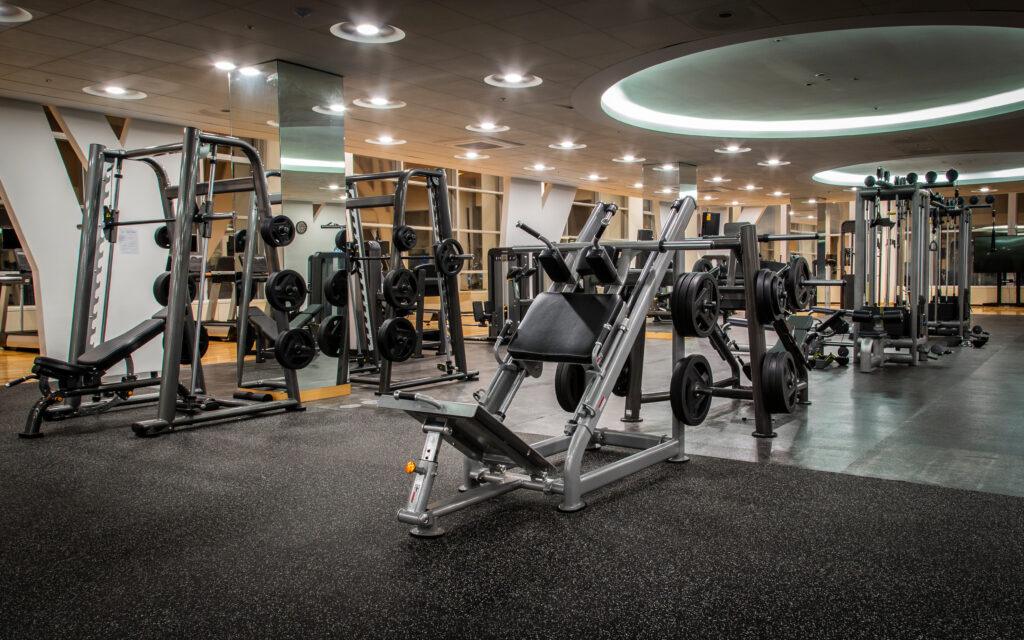
For most gym owners, December doesn’t feel like the natural time to think about upgrades. It’s quieter, members are distracted by Christmas, and the big January surge is still a few weeks away. But it’s exactly that gap, the calm before the storm, that makes December a very important in the entire equipment cycle.
Owners who run well- performing gyms will tell you the same thing: if you wait until January to think about equipment, you’ve already missed the window. December planning isn’t just about being pre-organised, it’s about being ready for demand and avoiding the operational problems that January inevitably brings.
The January Spike
No industry sees a sharper shift in customer behaviour after New Year’s Day than fitness. Demand doesn’t grow steadily, it spikes. The first two weeks are intense: thousands of people set resolutions, gyms reopen and suddenly every machine is in use 12 hours per day.
Most owners underestimate how quickly this happens until it happens to themselves. A treadmill that works fine in December can fail under the constant stress of early January usage. A dumbbell set that’s ‘good enough for now’ becomes a bottleneck when every rack, bench, and mat is taken from open to close. By planning in December, you avoid opening your doors to dozens of motivated members and not having the equipment capacity to handle them.
Fix It Before the Rush
Another reasons gyms make decisions in January is simple supply and availability. January is also the busiest month for equipment suppliers. January is also the busiest month for equipment suppliers, installers and engineers. Everything that’s easy in December becomes harder in January:
- Lead times can double
- Stock availability drops
- Delivery times stretch
- Technicians get booked out for weeks
- Installations need more notice
If something breaks in early January, you’re often looking at a multi-week wait. That’s a long time to keep members happy with ‘out of order’ signs. So, making decisions earlier means you secure equipment before the rush even starts.
One of the biggest advantages of December is that it’s the quietest month on the gym floor. Members are travelling, routines slow down and session times spread out. This means you can rearrange equipment, install new kit, refresh flooring or improve layout with minimal disruption. Gym owners who really care about member experience, this reduced disruption is reason enough to act early.
Avoid Panic Purchases, Protect Cashflow
January is already a complex month, memberships spike, but so do operational demands. Upgrades can be structured in a way that avoid a Q1 cashflow pinch, plan VAT timing more effectively and ensure you aren’t front-loading expenses at the same time you’re handling your busiest operational period.
Every January, equipment suppliers watch the same pattern unfold: gyms call in panic when kit breaks during their demand spike, availability is low and the installation teams are booked up. The result is almost always the same, owners end up buying whatever’s available not what they want.
This is one of the biggest reasons experienced gym operators buy in December. They know that rushed decisions lead to:
- Compromising on brands
- Overpaying due to low stock
- Accepting long lead times
- Temporary repairs that don’t last
- Losing members because experience drops
Planning early prevents last-minute decisions that cost more, deliver less, and create unnecessary stress.
Fund Your Fit Out
Planning in December gives you breathing room to make smarter decisions, secure the right equipment, and structure funding with Moorgate Finance to protect your cash flow. By the time January arrives, your fit out is complete, fully operational and ready to handle the surge of new members without disruption.
Ready to get started? Give us a call on 01908 92 62 62 or Apply Now to start the conversation.