
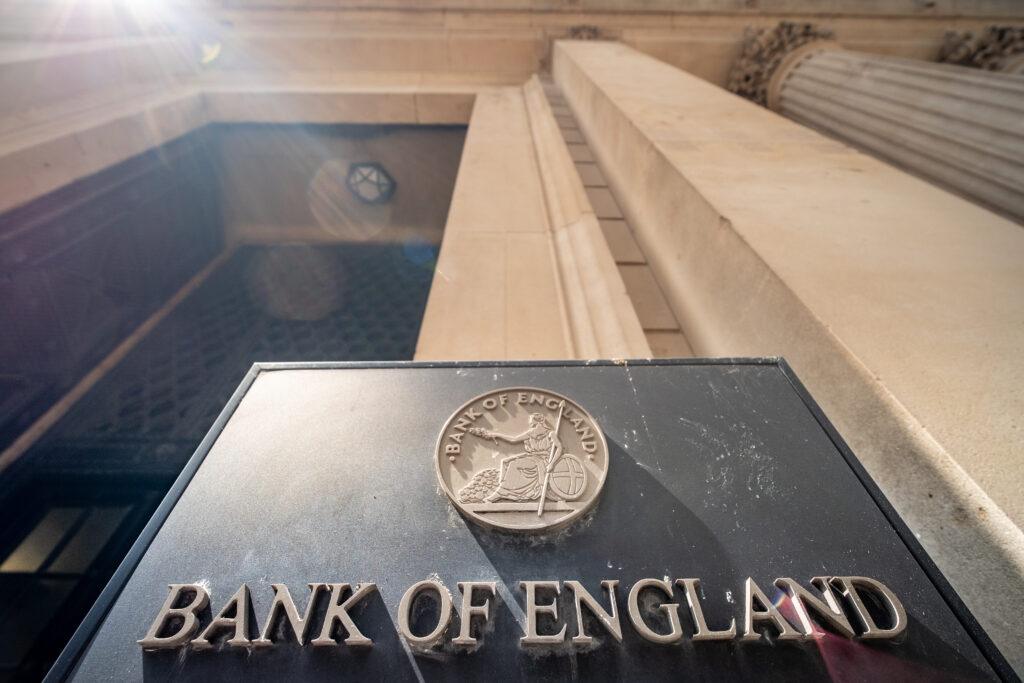
The Bank of England has increased its bank rate taking it from 3.75% to 4% on 5th November 2026.
For businesses across the UK, this latest decision raises questions about borrowing costs, cashflow and future investment plans. Whether you’re looking to purchase new equipment, replace vehicles, expand your premises or manage existing financial commitments, changes to interest rates can influence the decisions you make.
Understanding how the changes affect your borrowing and knowing what finance options are available can help you make more informed decisions.
Below, we break down what the latest Bank Rate increase means and what businesses should consider moving forward.
What does the Bank Rate rise mean for your business borrowing?
The impact of rising interest rates will depend on the type of finance you have in place and whether you’re looking for new funding.
Variable-rate borrowing: If your business has borrowing linked to Bank Rate, your repayments could increase depending on the terms of your agreement. It’s worth checking when any changes could take effect and what this might mean for your monthly commitments.
Existing fixed-rate agreements: If you have a fixed-rate finance agreement, your agreed interest rate and repayments will generally remain unchanged for the duration of the fixed period. However, refinancing or taking out additional finance in the future could come at a different cost.
New finance applications: An increase in Bank Rate doesn’t mean every business will automatically pay the same increase on their borrowing. Lenders consider several factors when setting interest rates, including the type of finance, repayment term, security and the financial position of the business.
For businesses already managing rising operating costs, higher borrowing expenses could put additional pressure on cashflow and make financial planning even more important.
Will all business finance become more expensive?
Not necessarily. While Bank Rate influences the cost of borrowing, it isn’t the only factor lenders consider.
Different lenders have different funding costs, lending criteria and appetites for risk. This means the rates and terms available can vary depending on the finance product and the circumstances of the business.
For example, a business looking to purchase a new vehicle through Asset Finance may have different options available to a business seeking an unsecured loan or commercial property finance.
This is why it’s important to look beyond the headline bank rate. The repayment structure, fees, length of the agreement and total amount repayable should all be considered when comparing finance options.
Flexible funding options to consider
If you have finance agreements approaching renewal, it may be worth looking at refinancing options now, rather than waiting until the end of your term. Refinancing could help you restructure your repayments to better suit your cashflow, or release funds for future investment. For businesses that need ongoing access to funding, a revolving credit facility such as Flexipay can offer a more flexible alternative to a traditional loan. Rather than borrowing a fixed lump sum, you can draw funds as and when you need them and only pay for what you use, helping you manage costs such as supplier payments, stock purchases or unexpected expenses while keeping your cashflow under control.
How could the Bank Rate rise affect business investment?
Higher borrowing costs may cause some businesses to reconsider their investment plans, particularly if they’re already facing increased operating expenses.
For example:
- Agriculture: Farmers considering new tractors, machinery or equipment may need to review the affordability of their investment.
- Haulage and logistics: Businesses looking to replace vehicles or expand their fleet may face additional borrowing costs.
- Construction: Contractors investing in new machinery or equipment may need to consider how repayments fit into their cashflow.
- Growing SMEs: Businesses looking to expand, recruit or invest in new premises may need to review their funding requirements.
However, putting investment plans on hold isn’t always the best option. New equipment, vehicles or machinery could improve efficiency, increase capacity and create opportunities for future growth.
The important thing is understanding what your business needs, what it can comfortably afford and which finance options are available.
What should businesses review now?
With borrowing costs changing, now is a good opportunity to review your existing financial commitments and consider how prepared your business is for further changes.
Some things worth considering include:
- Review existing finance agreements: Check whether your current borrowing has a fixed or variable interest rate and whether repayments could change.
- Look ahead at upcoming commitments: Consider any agreements approaching renewal, refinancing dates or balloon payments.
- Review cashflow forecasts: Understand how increased borrowing costs and other operating expenses could affect your available working capital.
- Explore different finance options: Compare lenders and repayment structures to understand what might work best for your business.
- Consider future investment: Before delaying a purchase or expansion, assess whether the investment could still support your business in the longer term.
Taking the time to review your finances can help you make more informed decisions and avoid unexpected pressure further down the line.
Explore your business finance options with Moorgate Finance
Working with a commercial finance broker can help you explore different lenders, compare finance products and understand how different repayment structures could work for your business.
At Moorgate Finance, we believe arranging finance should be about more than finding a lender willing to provide the money.
We take the time to understand your business, what you’re looking to achieve and what you need from your funding. This allows us to look at the bigger picture rather than focusing on one finance requirement in isolation.
With access to a wide panel of lenders, we can explore different funding options, whether you’re looking to purchase new equipment, replace vehicles, manage cashflow or invest in your next stage of growth.
Call us on 01908 92 62 62 to discuss your plans or get in touch with our team to arrange a call back.