
Fuel prices have reach record highs, and a commercial vehicle operators feel it at every fill up. With the right plan and the right finance behind it, this is a challenge you can get ahead of. Whether you run one van or a fleet of HGVs, fuel is one of your biggest costs. The operators best placed to come through stronger are those that protect their cash flow and invest in more efficient vehicles early.
Here’s where prices stand, how they affect your business, and how finance can give you the breathing space and flexibility to stay ahead.
£2 a Litre: A New Record At The Pump
Fuel prices are at record highs. In October, the average UK price of diesel passed a £2 a litre for the first time, according to the RAC, with petrol at around 175p.
For commercial vehicle operators, fuel is often the biggest variable cost on the books. Here’s where the pressure shows up:
Running Costs Per Vehicle
A 55-litre diesel fill now costs around £110, almost £32 more than in February. For a van doing a full tank a week, that’s over £1,600 extra a year, and far more for HGV.
Fixed-rate Contracts
Rates agreed months ago may no longer cover the true cost of each run or drop.
Cash Flow
You pay for fuel today, but customers may take 30, 60 or even 90 days to pay you. That gap tightens fast when fuel bills jump.
Ageing Vehicles
Older, less efficient vans and trucks cost more to run with every mile, and the gap widens as prices rise.
Finance That Keeps Your Fleet Moving
Rising fuel costs are as much a cash flow challenge as a cost challenge. The right finance can ease the pressure today, help you upgrade to vehicles that cost less to run, and give you the certainty to plan ahead. Here’s some options to make rising costs create less pressure for your business.
Hire Purchase: Spread the Cost, Own the Vehicle
If older, less efficient vehicles are pushing up your fuel bill, a hire purchase agreement lets you replace them with newer, more efficient models without a large upfront cost. You spread the price over fixed monthly payments, usually after a deposit, and the vehicle is yours once the final payment is made.
Leasing: Lower Payments and an Easier Upgrade Path
Leasing tackles running costs by keeping your fleet upgraded. The cost split into more affordable monthly payments make it easier to refresh vehicles regularly, so you’re always running efficient models rather than holding on to ageing ones while fuel prices climb.
Refinancing: Unlock the Value in Your Current Fleet
Higher fuel bills can drain cash quickly, at over £1,600 extra a year per van. If you own vehicles outright, refinancing releases the cash tied up in them, giving you a buffer to absorb those costs without putting pressure on wages, suppliers or growth plans. It can also restructure existing agreements so your outgoings better match your income.
Working Capital and Invoice Finance
This is the cash flow gap rising fuel prices make wider: you pay at the pump today, but customers may take 30, 60 or even 90 days to pay you. Invoice finance closes that gap by releasing a large share of what you’re owed as soon as you raise an invoice. Working capital loans and flexible facilities can also cover peaks in fuel costs without dipping into reserves.
Making the Switch to Electric
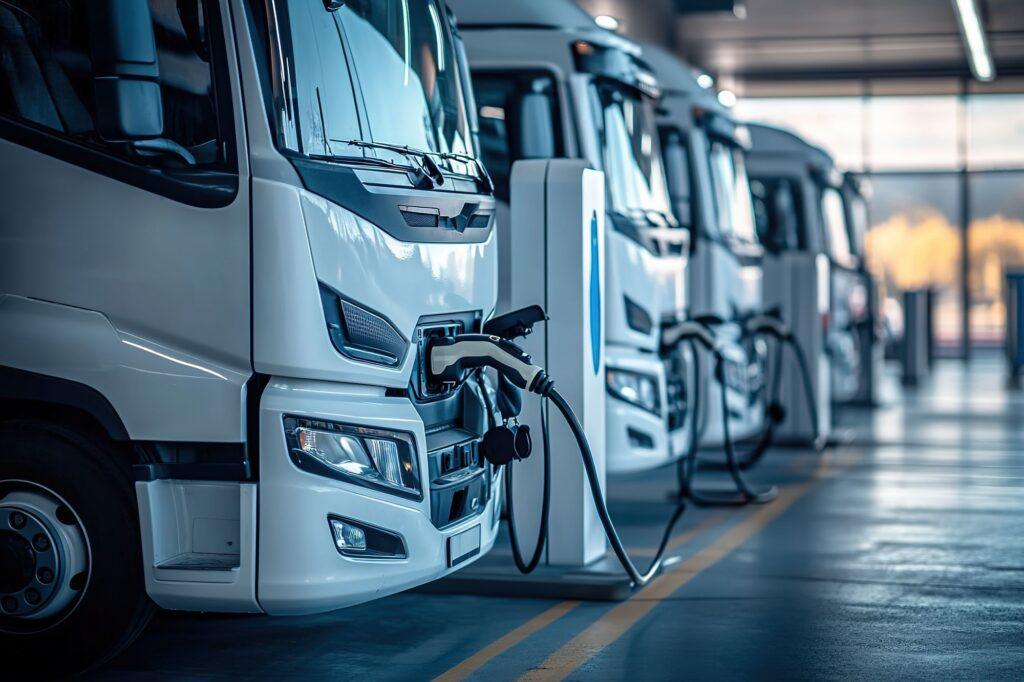
The surest way to reduce your exposure to pump prices is to need less diesel. Electric vans and HGVs can cost more upfront but can be much cheaper to run. Finance spreads that higher purchase price, and charging points can often be funded alongside the vehicles, so the savings can start straight away.
Quick Wins Besides Finance
Finance works best alongside a few simple changes on the ground:
- Know your cost per mile so you can quote accurately and spot problems early.
- Plan smarter routes and loads to cut empty miles and idling.
- Build fuel surcharges into contracts so your rates move with the market.
- Use fuel cards to lower the price per litre and track spending easily.
Every operator is different, whether you run one van or a fleet of HGVs. Our role is to understand your business, explain your options clearly and find the finance that genuinely fits.
Record fuel prices are a real challenge, but they’re also a chance to take a fresh look at your fleet and your finances. Commercial vehicle operators who act now, by protecting cash flow and investing in more efficient vehicles, can come out of this leaner, more competitive and ready to grow.
If you’d like to explore your finance options, the Moorgate Finance team is here to help. Contact our team today on 01908 92 62 62 or apply now to discuss how we can help you find the right finance solution for your business.