
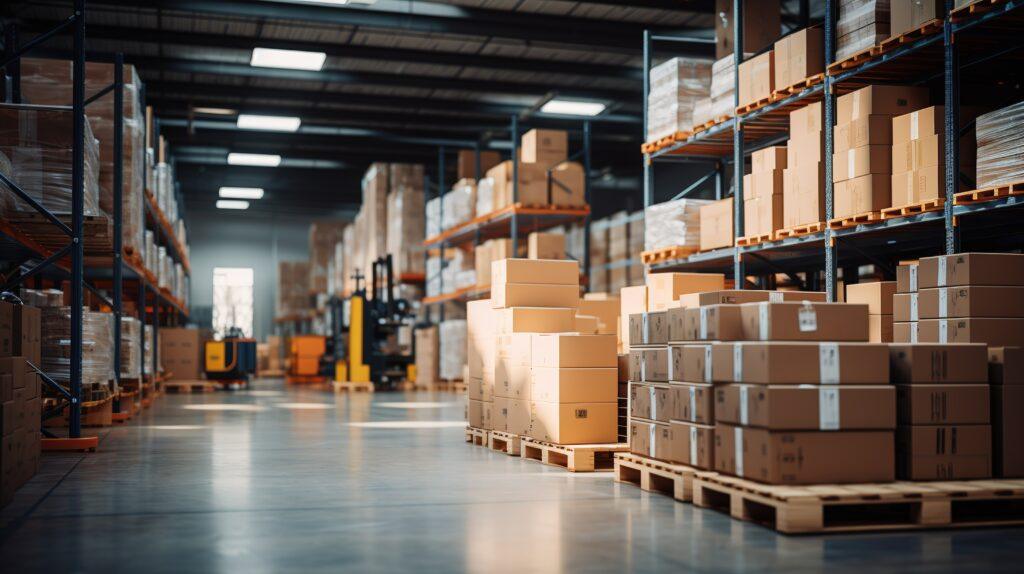
Warehousing has always been about efficiency, but that efficiency is being redefined. Higher volumes, tighter delivery windows, labour shortages, rising costs, and systems that were never designed to cope with today’s expectations are a causing disruption. As a result ‘doing more with less’ is no longer a short-term response to pressure. It’s becoming the operating environment warehouses have to design around. What’s interesting is that this pressure isn’t just exposing weaknesses, it’s driving innovation, smarter operations and more resilient businesses.
More Volume, Less Slack
In a high-volume warehouse, pressure has a way of revealing what really matters. When the margin for error disappears, inefficient processes and fragile systems are exposed very quickly. Issues that might once have been absorbed by spare capacity now show up immediately in missed cut-offs, delayed dispatches or customer complaints.
Rather than trying to optimise every metric at once, stronger warehouse operations are becoming more selective. They’re prioritising decisions that protect flow and stability, even if that means accepting that not everything will be faultless. Consistency is increasingly valued over occasional peaks in performance.
This shift towards deliberate, well-judged decision making creates a foundation that allows warehouses to cope when things go wrong or pressure increases.
Automation is Becoming a Tool, not a Distraction
As pressure increases, attitudes towards automation are becoming more realistic. Instead of chasing large, transformational projects, many warehouses are focusing on technology that solves operational problems. Automation is being introduced quietly and realistically, often in the form of targeted improvements that reduce friction rather than reshape the entire operation. Examples include:
- Automated picking assistance that improves accuracy
- Sortation systems to automatically direct items to the correct zone
- Automated dashboard alerts highlight system failures
By treating automation as a support rather than a headline solution, warehouses are avoiding unnecessary complexity. This approach allows them to improve productivity while keep systems understandable, flexible and easier to manage day to day.
Labour Challenges are Strengthening Operations
Labour remains one of the most difficult challenges facing warehousing, but it’s also acting as a catalyst for positive change. When experienced staff are hard to recruit and hard to retain, relying on individual knowledge creates risk and inconsistencies.
In response, many warehouses are standardising their processes so that operations don’t depend on a few highly skilled individuals. Tasks are clearly defined, workflows are streamlined, and critical knowledge is documented for process maps rather than assumed. Layouts, equipment, and systems are designed to guide staff naturally through their tasks, allowing new or less experienced team members to perform effectively without long learning curves.
The result is a more resilient operation that delivers consistent performance, regardless of who is on shift. Standardisation not only reduces vulnerability to turnover or absence, but also creates a foundation for scaling, automation, and continuous improvement.
Space Constraints are Driving Smarter Layouts
Space has always been a factor in warehousing, but it’s now becoming a strategic concern. Many facilities are operating close to capacity, not just in terms of square footage but in terms of operational headroom, Congestion, inefficient stock placement and floor planning can quietly undermine performance long before a warehouse is actually full.
With expansion often being costly or impractical, warehouses are being forced to look more critically at how existing space is being used. This closer attention frequently uncovers opportunities to flow, reduce handing and remove bottlenecks.
Even relatively small changes to layout or stock positioning can have noticeable impact allow warehouses to handle higher volumes without increasing their footprint.
Higher Expectations Are Raising the Bar
As service expectations continue to rise, downtime has become more visible and less acceptable. Delays caused by equipment failure or process breakdowns are quickly felt by the supply chain, increasing pressure on the warehouse teams.
In response, warehouses are placing greater emphasis on preparation rather than reaction. More attention is being paid to preservative maintenance, realistic contingency planning and understanding where the true points of vulnerability lie. This shift doesn’t eliminate disruption, but it does reduce its impact. Warehouses that plan for problems recover faster and maintain service levels more effectively.
Calm Operations are Pulling Ahead
When these changes are taken together, a clear pattern emerges. The warehouses that perform best under sustained pressure aren’t the most complex, they’re the ones that have learnt how to be efficient. These operations are built around clear processes, reliable equipment and consistent improvement. They avoid unnecessary complexity and focus on repeatability and control. In an environment where everyone is being asked to do more with less, the processes are designed to work according to plan. And increasingly this is becoming a competitor advantage.
Funding Operations Built for Consistency
As warehouses standardise processes and reduce reliance on individual skills, the focus naturally shifts to the assets and systems that support consistent performance. Equipment, automation and infrastructure increasingly carry the load, guiding workflows and keeping operations moving regardless of who is on shift.
At Moorgate Finance, we work with warehousing and logistics businesses to support this shift through funding that aligns with operational realities. Whether it’s automation or specialist systems the right funding allows businesses to invest in standardised operations without putting pressure on day-to-day cash flow. By funding assets that embed processes rather than replace people, warehouses can build reliance, scale with confidence and stay in control as demand continues to rise.
Ready to get started? Give us a call on 01908 92 62 62 or Apply Now to start the conversation.