In construction, the difference between a profitable year and a stressful one often comes down to one thing: how you fund your equipment.
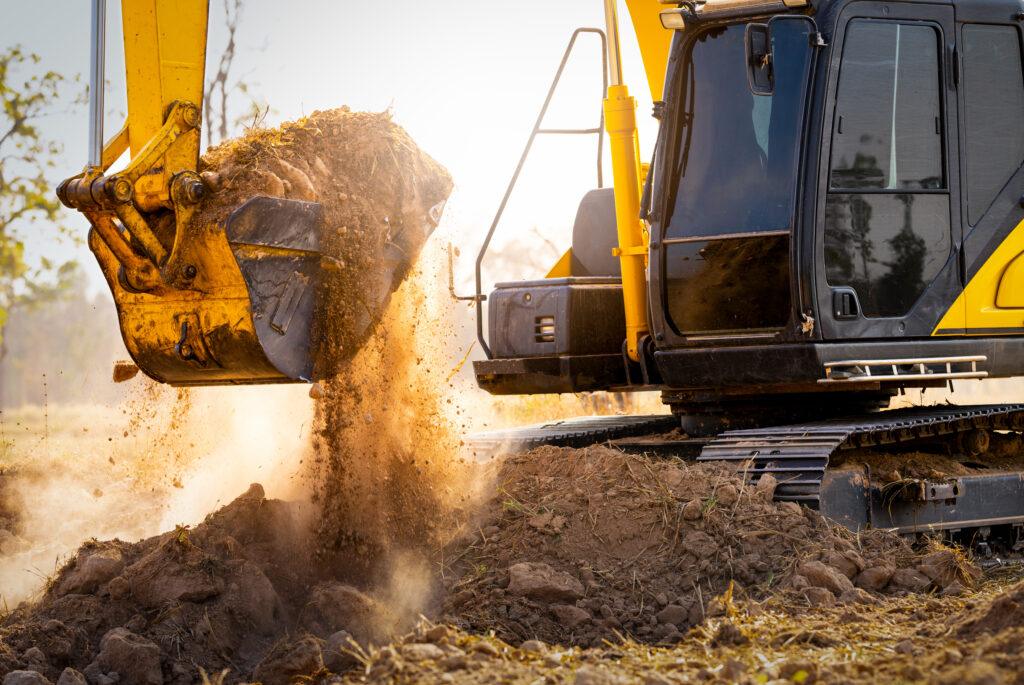
Excavators, diggers, telehandlers, cranes, and transport vehicles are essential to winning and delivering work. But choosing whether to buy, lease, or finance them is where many contractors get stuck, and where cash flow problems often begin.
At Moorgate Finance, we work with construction businesses every day who are asking the same question: what is the smartest way to fund equipment without restricting growth?
Here’s how to think about it properly.
Why Equipment Decisions Matter More Than Most Contractors Realise
On the surface, choosing how to acquire equipment feels like a procurement decision. In reality, it is a cash flow and growth decision.
A single machine can influence:
- How many jobs you can take on at once
- How quickly you can mobilise to site
- Your ability to handle delays or staged payments
- Your working capital position over the next 6 to 24 months
Two contractors can win the same £250,000 project. One delivers comfortably and moves on to the next. The other struggles to fund labour, materials, and plant at the same time. The difference is rarely capability, it’s structure.
Option 1: Buying Equipment Outright
Buying outright is still common in construction, especially for established firms who prefer full ownership and control.
The Advantages
✅ Full ownership of the asset
✅ No monthly finance commitments
✅ Potential long-term cost efficiency if heavily used
✅ No restrictions on usage or modifications
The challenge is not the machine. It is what buying it does to your cash position. Large upfront purchases can significantly reduce liquidity at exactly the time you need it most.
Construction businesses typically face:
- Retention payments held back for months
- 30, 60, sometimes 90+ day payment terms
- Unexpected variations or project delays
- Overlapping job costs across multiple sites
So, while ownership feels strong, it can quietly reduce your ability to take on new work or respond quickly to opportunity. Buying outright often suits very large, cash-rich firms with stable pipelines. For growing contractors, it can cause restriction.
Option 2: Leasing Equipment
Leasing is often viewed as the flexible route for construction businesses that want to access equipment without committing significant upfront capital. It can be particularly useful for short-term projects, seasonal demand, or when businesses need to stay agile.
The Advantages
✅ Lower initial cost compared to purchasing outright
✅ Fixed, predictable monthly payments that support budgeting
✅ Easier access to newer or specialist equipment
✅ Ideal for short-term contracts or project-based work
✅ Helps businesses respond quickly to new opportunities without delays
The Reality in Practice
While leasing offers flexibility, it is important to understand its long-term implications.
Many construction businesses find that:
- You never actually own the asset
- Payments continue without building long-term value
- Over time, total costs can exceed other funding routes
- Agreements may include usage limits or return conditions
- It can become a recurring operational cost rather than a strategic investment
Leasing is a strong solution for flexibility and speed, but it is not always the most efficient approach for building long-term equipment value or fleet ownership.
Option 3: Finance
Finance is often the most balanced and strategic option for construction businesses looking to grow sustainably while protecting cash flow.
The Advantages
✅ Spread the cost of equipment over an agreed term
✅ Protect working capital for labour, materials, and project delivery
✅ Take on larger contracts without heavy upfront investment
✅ Align repayments with the revenue generated by the asset
✅ Scale equipment and fleets without restricting cash flow
✅ Maintain financial flexibility during delayed payment cycles
How It Works in Practice
Rather than committing large sums upfront or entering ongoing rental cycles, finance allows you to structure equipment costs in line with how your business actually operates.
At Moorgate Finance, funding is tailored around real construction conditions, including:
- Current and future project pipeline
- Client payment terms and cash flow timing
- Seasonal demand and workload fluctuations
- Business growth plans over the next 6–24 months
- Existing equipment and operational capacity
This ensures the funding structure is designed to support delivery and growth and prevent restriction.
The Real Benefit
When used correctly, finance is not just a payment method. It is a tool that can be used for growth.
It enables construction businesses to:
- Mobilise faster on new projects
- Take on more work simultaneously
- Avoid cash flow pressure during peak trading periods
- Expand equipment fleets in line with demand
Instead of locking capital into machinery, finance keeps it working within the business where it generates returns.
Buying outright can secure ownership but often ties up cash that could be used elsewhere in the business. Leasing provides flexibility and quick access to kit but doesn’t always deliver long-term value. Finance sits in the middle, helping you spread costs, protect working capital, and keep projects moving without unnecessary pressure on cash flow.
At Moorgate Finance, we work with construction businesses to structure funding around real-world trading conditions, not just balance sheets. That means helping you secure the right equipment, at the right time, in a way that supports delivery, growth, and opportunity.
The goal is simple: keep your cash working in your business, while Moorgate Finance helps keep your projects moving.
Ready to get started? Give us a call on 01908 92 62 62 or Apply Now to start the conversation.